


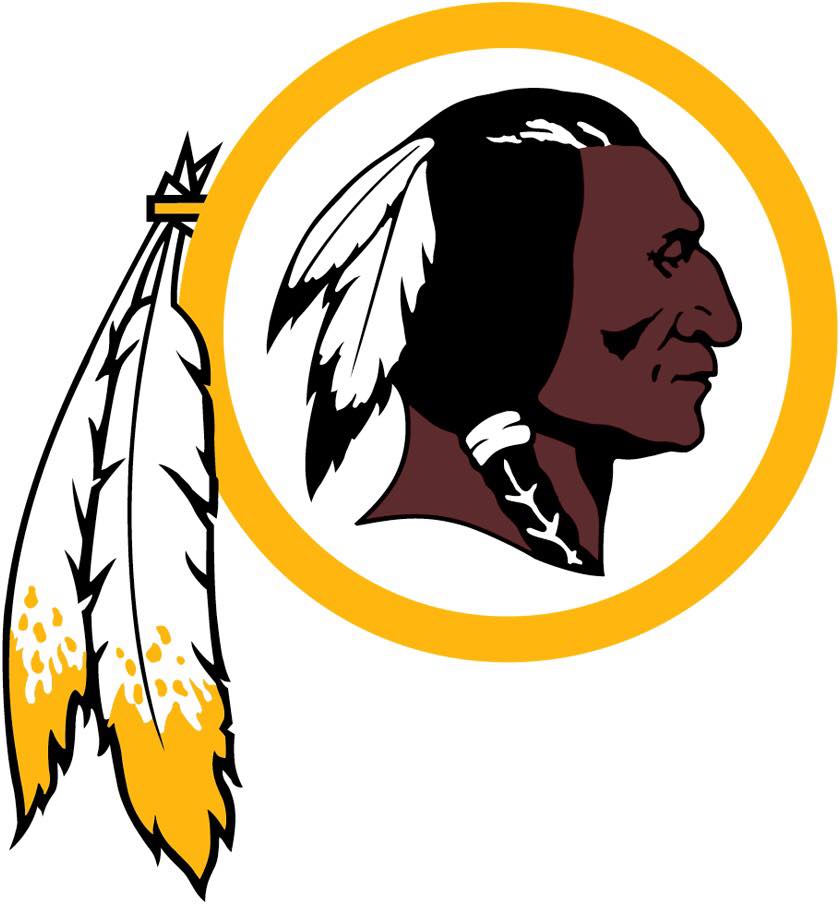
These three images are mass media images which use imagined First Nations male characters to sell a product, to send a public message and finally to represent a sports team. What they all have in common is their representation of what the image’s creator percieved as the ‘Native American in his natural element.’ Each figure, the earliest dating from the 1970’s, portrays a pre-colonized First Nation in what could be considered traditional garb. Much like many of the examples in the late nineteenth century, each of these advertisements includes an exoticized reference to First Nations religion. The Indio beer ad, which bears a Spanish racial epithet for its name much like that of the Washington football team, uses a fake version of the Mayan calendar for its border; the border surrounds the figure in ‘warrior’ posture and with weapons. The Washington team logo displays feathers attached to the figure’s head as a nod to the environmentally based religion; the ‘Crying Indian’ ad, as it was known, used the imagery of a weeping First Nation paddling in a litter-strewn lake to communicate the sadness of pollution.
What these three images have the most in common is their portrayal of First Nations as beings of the past. By erasing a First Nations present with these images, the creators have relegated them to the past; if they exist in the past, then what these images say is that there can be no issues for First Nations in the present. Far from the nineteenth century, in today’s world the same messages are given to the public by wit of television and advertising as part of media’s evolution.
 Printing Policy and Prejudice: White imagining of Native Americans in Periodicals 1800-1900